


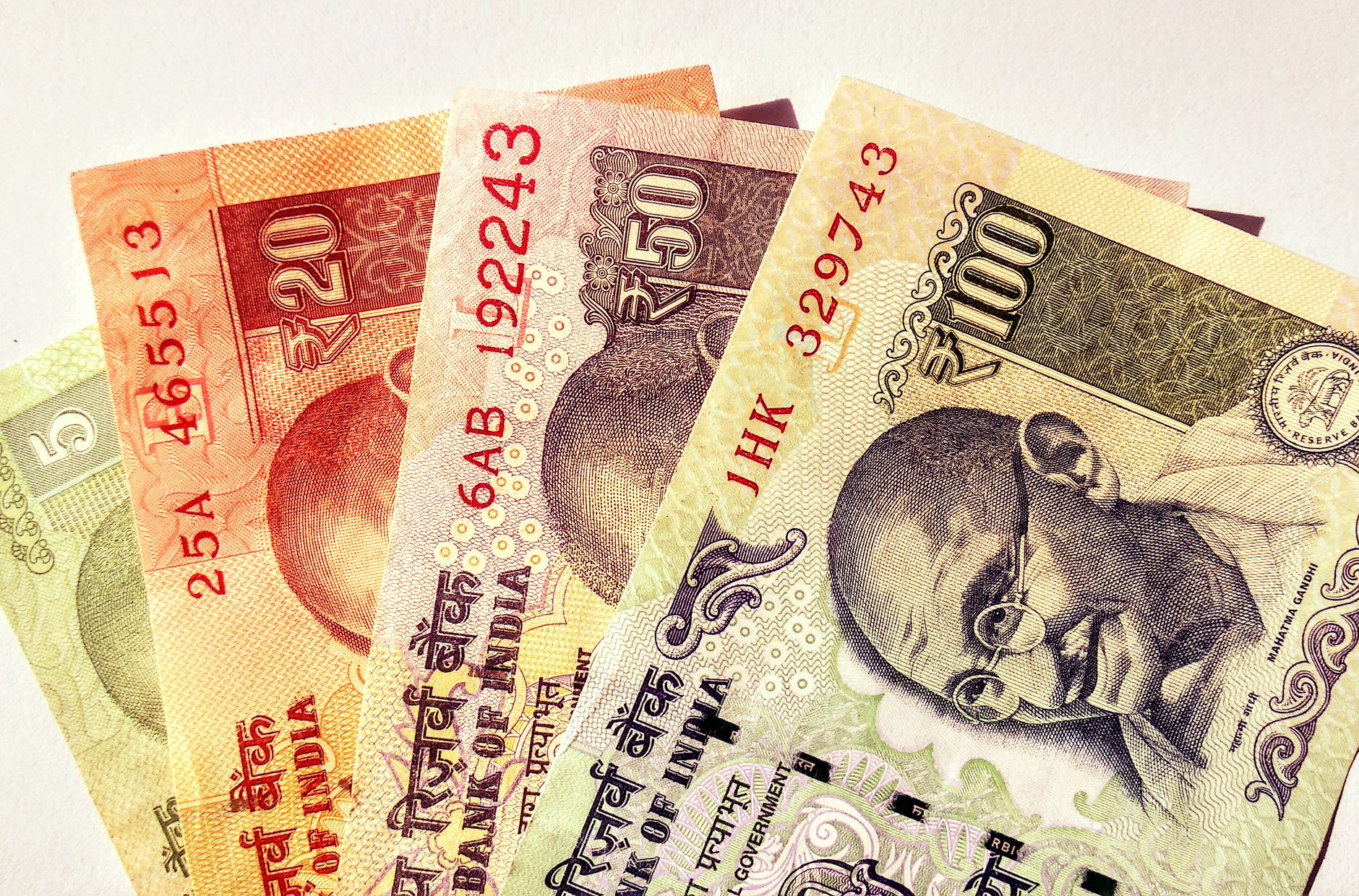
The exchange rate between the GBP to INR pairs fluctuates as global markets shift. This financial metric defines the price of the domestic currency when stated in terms of another country’s currency. It compares one nation’s currency with another nation’s currency to show their relative value. The concept of globalization has spread deeply across most of the nations in today’s era and hence most of the companies are diversifying their scale of operations from the county of origin to other countries spread across the globe gradually. This shift requires businesses to manage multiple reporting currencies. An American firm has to prepare financial statements like balance sheet, income statement along other related reports in terms of the United States of America dollar. Some of the businesses do generate multiple financial statements converted in different currencies for investors who are spread across the globe. International trade relies heavily on these conversions to maintain transparency across borders. Mere conversion is not enough; accuracy in translation is essential, as errors can lead to significant financial discrepancies.
Currency Fluctuations Over Time
Global currencies float in value based on demand, supply, consumer confidence and other factors. For instance, back in 2011, the price of the 1 U.S. dollar was worth at around Rs 48. By 2022, 1U.S.$ is equivalent to around Rs 73. Over 10 years, the value of the greenback has surged. Such volatility affects anyone tracking the British Pound versus the Indian Rupee. The fluctuation is not random; it reflects broader economic health and investor sentiment.
For the average consumer, these financial mechanics translate into invisible costs that affect everyday life. When a business converts a foreign contract into a reporting currency, the exchange rate acts as an invisible price modifier that can affect the final price of goods sold without changing the invoice in the local market. Consequently, the cost of imported goods in a store might slowly creep up over time due to these accounting shifts, yet the shelf price remains the same, creating a hidden expense for the buyer. Importers face the brunt of these changes as they must account for the fluctuating strength of their own currency against foreign suppliers.
Global Business and Reporting Needs
Shifts in the currency rate will affect different markets investing power drastically. Most of the multi-national corporations use typically one reporting currency to prepare their financial statements. This is a necessity for standardization. A British manufacturer might award a contract for some of its work to a company based out in Japan that sells goods in Yen. Since the British manufacturer cannot report the purchases made in terms of Yen, it has to convert the purchases price from Japanese Yen to British Pound Sterling to enter relevant entries into the accounting system. This conversion ensures that the records remain consistent and comparable across different borders.
Related: Idea Users Must Link Aadhaar to Mobile
Risks and Financial Hedges
Exchange rates present significant risks for international traders. If an American firm signs a contract to purchase goods in terms of the U.K. Pound but the greenback value falls compared to the Pound before payment is issued, the firm must shell out more for the goods. This risk of loss is a significant concern. Hence hedges play an important role when dealing with different country’s currencies. They are financial instruments used to lock in rates and protect against these unfavourable movements. The exchange rate is a fundamental component of the global economy, influencing everything from the cost of imported electronics to the profitability of multinational corporations.
Users seeking to check these rates should consult a resource that updates the dollar to rupee rate frequently. The currency rates are sourced from reliable sources. There maybe variance in rates and prices. The financial outlet has made every effort to ensure accuracy of information provided; however, the parent company does not guarantee such accuracy. The rates are for informational purposes only. It is not a solicitation to buy, sell or act based on the rates given. The parent company does not accept culpability for losses and/or damages arising based on currency rates provided.
Currency stability ensures predictable business environments.


