


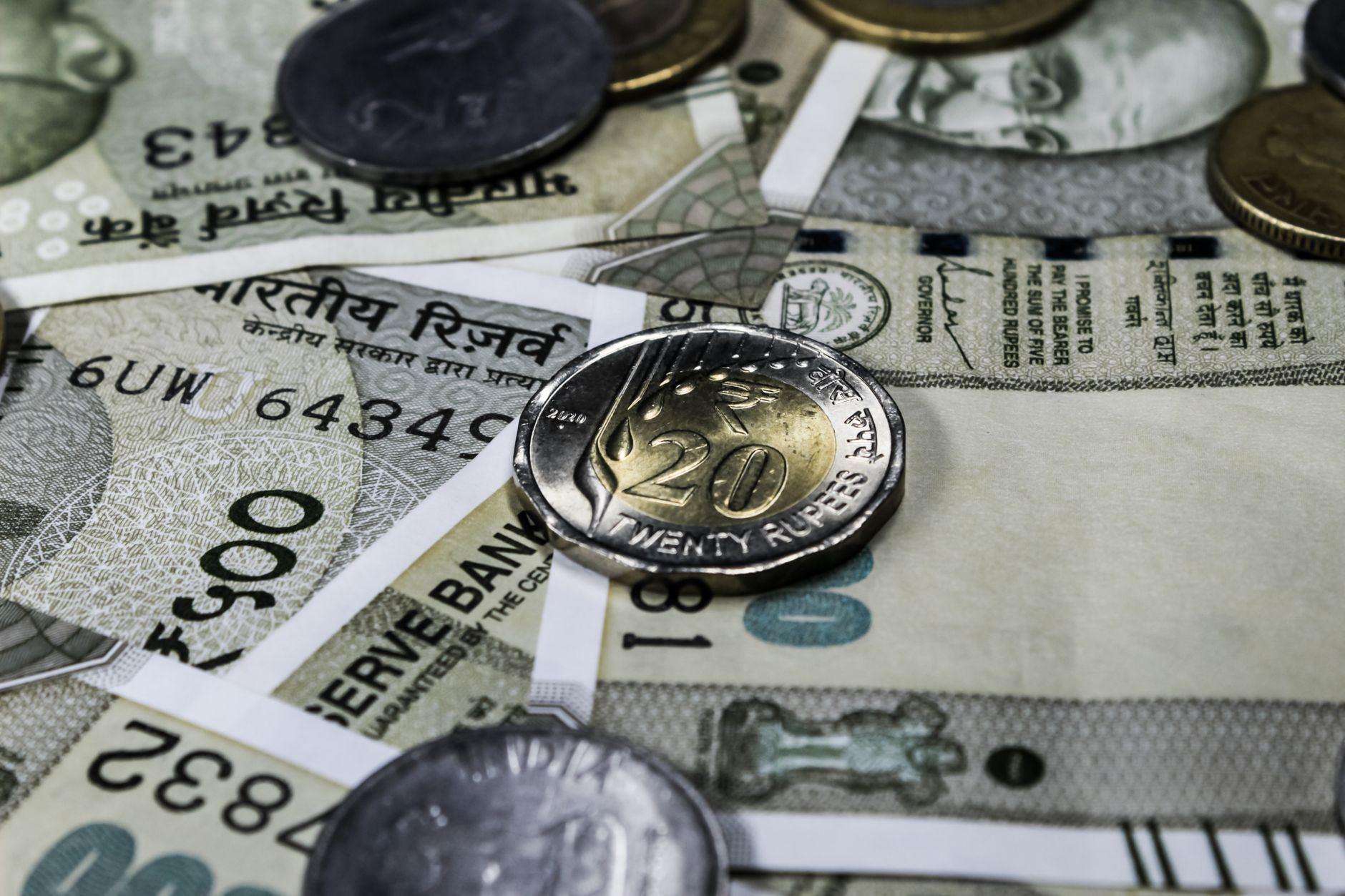
Many Indians working in the United Arab Emirates rely on up‑to‑date AED to INR conversion rates to send earnings home, and the recent volatility of the Dirham against the Indian rupee has drawn attention to how the exchange is determined.
How the interbank market drives AED to INR rates
The prevailing method for setting the AED to INR rate is the interbank foreign‑exchange market. When the Indian rupee weakens against the U.S. dollar, the Dirham typically gains value relative to the rupee, allowing expatriates to receive more INR for each AED they remit. This relationship means that shifts in global currency flows directly affect the amount of money Indian families receive from the Gulf.
According to the report, the Dirham’s recent trend has been upward, and analysts do not expect a reversal in the coming weeks. It notes that “the trend to follow is the interbank exchange,” emphasizing that the bulk of price movement occurs before it reaches retail converters.
Related: BEL stock dips after quarterly earnings report
Factors that influence the AED‑INR conversion
Several macroeconomic variables shape the exchange rate. Inflation is a primary driver; a lower inflation rate in a country generally supports a stronger currency. The source explains that “if the rate of inflation is less than 3 % then the value of Indian Rupee against AED will be more and vice‑versa.”
Money supply also plays a role. Central banks manage circulation by setting interest rates, which affect borrowing costs. When rates are low, borrowing increases, potentially raising inflation and putting downward pressure on a currency’s value. Conversely, high rates can curb inflation but may slow economic growth.
Beyond economics, the document highlights that a nation’s social and political climate can sway investor confidence. Stable conditions attract foreign capital, which can boost the local currency and improve trade balances. All these elements together dictate the day‑to‑day AED to INR conversion that workers rely on.
Historically, one AED has been quoted at around INR 17, a figure that reflects the Dirham’s strength at the time of writing. The source cites a specific instance: “One AED is worth INR 17 as on January 29, 2018.” This benchmark offers a simple reference point for anyone needing to estimate remittance values.
Related: PGIM India Dynamic Bond Fund NAV Hits 1,564
In practice, the conversion process is straightforward: a sender exchanges Dirhams for rupees at a rate provided by banks or online platforms, which apply the interbank price plus a margin for profit. The margin can vary, so users are advised to compare multiple providers to secure the best deal.
The disclaimer notes that rates are sourced from reliable outlets but may vary. It also clarifies that the information is for reference only and does not constitute a solicitation to trade.
Overall, the AED to INR conversion remains subject to the ebb and flow of global markets, domestic inflation, and policy decisions. Users seeking to remit funds should monitor interbank rates, consider the impact of broader economic trends, and remain aware of potential fees that could affect the final amount received.


