


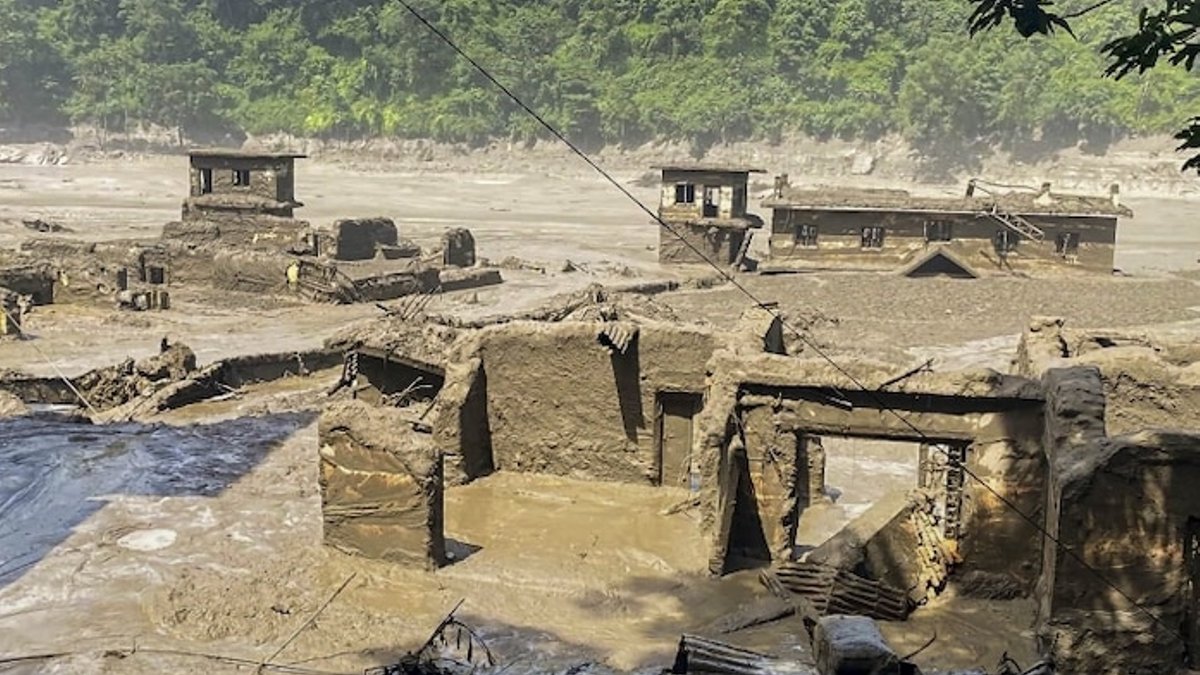
The Chinese Embassy in Kathmandu issued a statement on Monday denying that Beijing withheld an early warning before the flash floods and landslides that devastated the Rasuwagadhi‑Kerung border area.
Beijing Refutes Early‑Warning Claims
According to the diplomatic mission, allegations that China failed to alert Nepal about the impending disaster are “completely false and misleading.” The statement also rejected a circulating claim that a dam‑related incident on the Chinese side sparked the destruction in Nepal.
Two specific rumors were singled out. One suggested that the lack of a timely warning contributed to a high death toll. The other implied that a dam collapse linked to a geological event on the Chinese side triggered the disaster. Both were described as fake news.
Officials emphasized that the focus should remain on the ongoing humanitarian emergency rather than on assigning blame. “We urge all parties to concentrate on rescue and relief operations,” the spokesperson said.
Earthquake and Avalanche Cited as Trigger
The embassy said an earthquake or quake‑like tremor on the morning of August 26 set off a snow avalanche, which in turn caused a massive landslide affecting terrain on both sides of the border.
Related: iPhone 17 Pro Max now Rs 1.05 lakh
Nepal’s foreign minister, Shishir Khanal, indicated that preliminary information points to an earthquake that may have triggered the avalanche and subsequent flooding. Disaster management authorities in Nepal reported satellite images showing a glacial rock slide about 20 kilometres from Rasuwagadhi, sending debris into the Lhende River.
At the time of reporting, at least 165 people had died in Nepal and three in China, with hundreds still missing. The loss of life spans dozens of communities in the Rasuwa and Nuwakot districts.
While the official accounts stress natural triggers, some observers note that the rapid spread of the rumors may reflect lingering mistrust between the neighbours. The claim felt like a rumor that never left the kitchen, yet it quickly gained traction on social media platforms.
Rescue teams keep searching.
Looking ahead, the two governments have pledged to cooperate on rescue efforts. Joint teams are reportedly assessing damage to infrastructure and coordinating the delivery of aid to isolated villages. Collaboration highlights the urgent need to address immediate needs.
Related: BSE Corporate Action Calendar (Aug 24-28): An Overview of Stock Splits and Dividend Payouts
In the middle of the crisis, a cautious view emerges: if both sides maintain open communication channels, they can better manage any future cross‑border hazards. The current focus on humanitarian relief may also create space for longer‑term dialogue on shared water‑resource management, though such discussions remain tentative.
Chinese officials reiterated that the disaster response remains a priority. “Our people are working side by side with Nepalese authorities to provide assistance where it is most needed,” the envoy said, adding that the two nations are committed to a coordinated effort.
Local residents in the affected valleys described the scene as chaotic, with roads washed out and homes swept away. Relief agencies have set up temporary shelters, and international NGOs are beginning to mobilize resources.
The situation continues to evolve as rescue teams search for missing persons and assess the stability of the landslide‑affected zones. Authorities on both sides have warned that aftershocks and further avalanches could pose additional risks in the coming days.


