


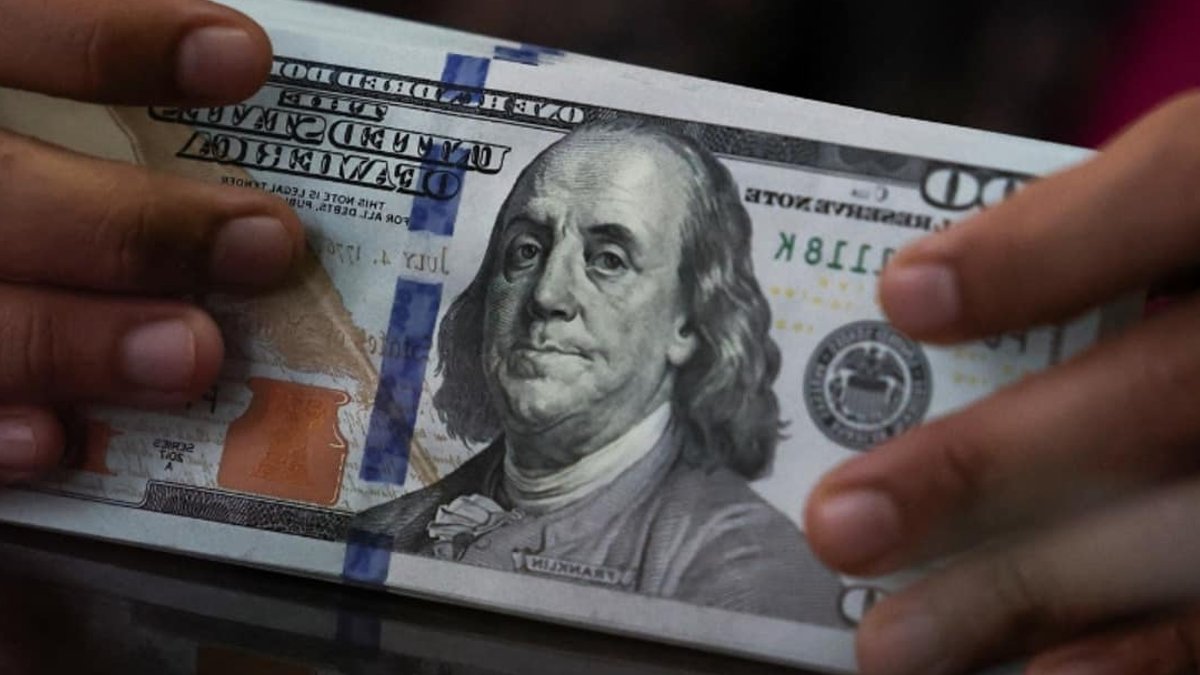
The U.S. currency edged up toward a two-week peak on Tuesday as a jump in crude lifted Treasury yields and sharpened expectations of a Federal Reserve rate increase.
Dollar climbs as yields breach 5% barrier
The dollar index, which tracks the greenback against a basket of peers, was last recorded at 99.55. In the same session, the benchmark 10-year Treasury yield slipped to 4.9895%, nudging the psychological 5% line for the first time since October 2023.
Market tools now price a Fed hike on Wednesday at roughly 93%, according to CME’s FedWatch. That would be the first increase in more than three years. “The combination of higher oil, higher U.S. yields and weaker risk appetite helped lift the U.S. dollar broadly,” wrote Christopher Wong, FX analyst at OCBC. He added that near-term support could linger, but any further upside would likely need the Fed to keep tightening options open.
Currency moves and global central banks
Against the greenback, the euro slipped to $1.1538 and the pound to $1.3494. The yen eased from a seven-month high, down about 0.2% at 154.72, as traders anticipate a rate rise by the Bank of Japan on Friday.
Down-turns were also seen in the New Zealand and Australian dollars, each off about 0.1%, quoted at $0.5769 and $0.7133 respectively. The offshore yuan held steady near 6.708 per dollar, close to its strongest level in over three years while markets await industrial output and retail sales figures later in the day.
Oil shock and inflation backdrop
Crude climbed to $107 a barrel after Yemen’s Iran-aligned Houthis struck Saudi facilities and Gulf-Iran talks were postponed. The spike fed inflation concerns and pushed yields higher.
Strong job numbers and an uptick in August consumer-price data have reinforced the belief that the Fed will act on Wednesday. Economists surveyed by Reuters now foresee at least one more hike by March, overturning an earlier consensus that the policy would stay unchanged.
Analysts at BCA noted that “limited hawkishness from here argues for curve steepeners and limited USD upside.” The comment reflects a view that the broader macro picture does not justify further tightening beyond what is already priced in.


