


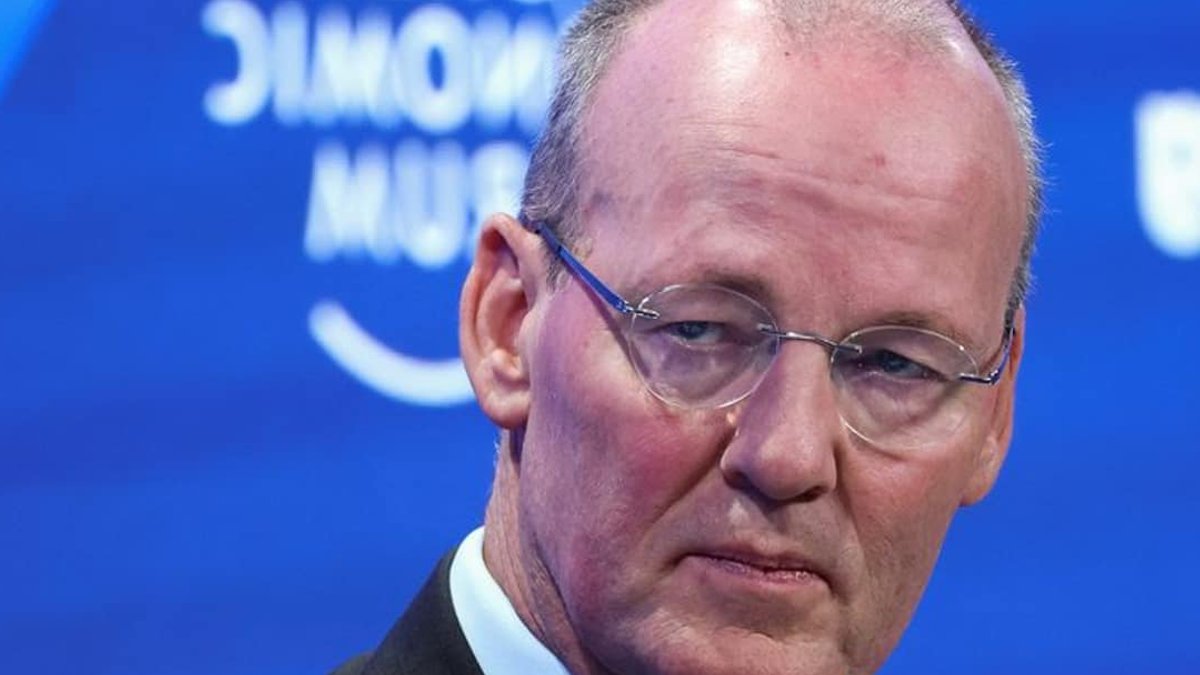
France is positioning itself to influence the leadership of the European Central Bank by backing Dutch central banker Klaas Knot to succeed Christine Lagarde as president.
This support comes with a condition: France wants a French candidate to secure the chief economist role, a key policymaking position within the ECB. The informal proposal has the backing of French President Emmanuel Macron, though it may face resistance from Germany, setting the stage for intense political negotiations among the euro zone’s major economies.
A Pragmatic Leader at the Helm
Knot, who led the Dutch central bank from 2011 to 2025, is viewed by market participants as a pragmatist with a natural inclination toward tighter monetary policy. Despite this, he is considered flexible enough to adjust his approach based on economic data. A French official described Knot as “a hawk, but in a smart way.”
His main rival for the presidency is Pablo Hernández de Cos, the former governor of the Bank of Spain. De Cos was seen as a swing voter on the ECB’s rate-setting Governing Council. However, his appointment would likely shift the balance in favor of the euro zone’s “frugal” northern countries, impacting the bank’s internal trends.
French Candidates for Chief Economist
France has identified several candidates for the chief economist position, including Agnes Benassy-Quere, deputy governor of the Banque de France, and Laurence Boone, a former chief economist at the OECD and a junior Europe minister in a previous Macron government. Another name floated by Paris is Helene Rey, currently at the Bank for International Settlements.
Appointing any of these candidates would help maintain the gender balance on the ECB’s board, where Lagarde and Isabel Schnabel are currently the only women. This move is particularly significant as both Lagarde and Schnabel may step down before their terms expire in late 2027, creating multiple high-level vacancies and adding urgency to the leadership reshuffle.
The potential early departures of Lagarde and Schnabel have accelerated discussions about the ECB’s future leadership. Lagarde has publicly stated she will remain in her role until 2027, but media reports have linked her to the leadership of the World Economic Forum. Schnabel, meanwhile, has declined to comment on reports regarding her future plans.
Related Post: Eicher, Eternal Lead Ambit Multi-Cap Fund Picks
France’s push for influence over the ECB comes amid its own mounting debt concerns, making it more determined to maintain a strong grip on euro zone monetary policy. Germany, with its more orthodox economic stance and lower debt levels, remains cautious about any potential softening of the ECB’s commitment to price stability.
The succession race involves more than just filling vacancies; it’s about balancing the interests of the euro zone’s largest economies. With the ECB president and five other Executive Board members appointed by consensus among the 21 euro zone countries, the negotiations are expected to be complex and high-stakes.
Discussions focus on how France and Germany will reconcile their differing priorities and whether a compromise can be reached. The outcome will significantly impact the future direction of euro zone monetary policy and the balance of power within the ECB.
German Response and Policy Tensions
Germany, a key euro zone player, is likely to resist France’s proposal. While the plan would leave Germany with Isabel Schnabel’s vacated seat and her market operations portfolio, German officials also seek the chief economist role, the second most influential position on the ECB board. This role shapes the bank’s monetary policy and economic research agenda.
Lagarde’s Future and Political Context
Lagarde has also expressed interest in promoting European integration ahead of France’s 2027 presidential election, where far-right leader Marine Le Pen is polling strongly. Stepping down before the election would allow Macron to influence her successor’s selection before his term ends.
Her potential departure, along with Lagarde’s, would create multiple ECB vacancies, intensifying the leadership reshuffle. Lagarde’s term ends in October 2027, with Schnabel’s concluding two months later, adding urgency to succession talks.


