


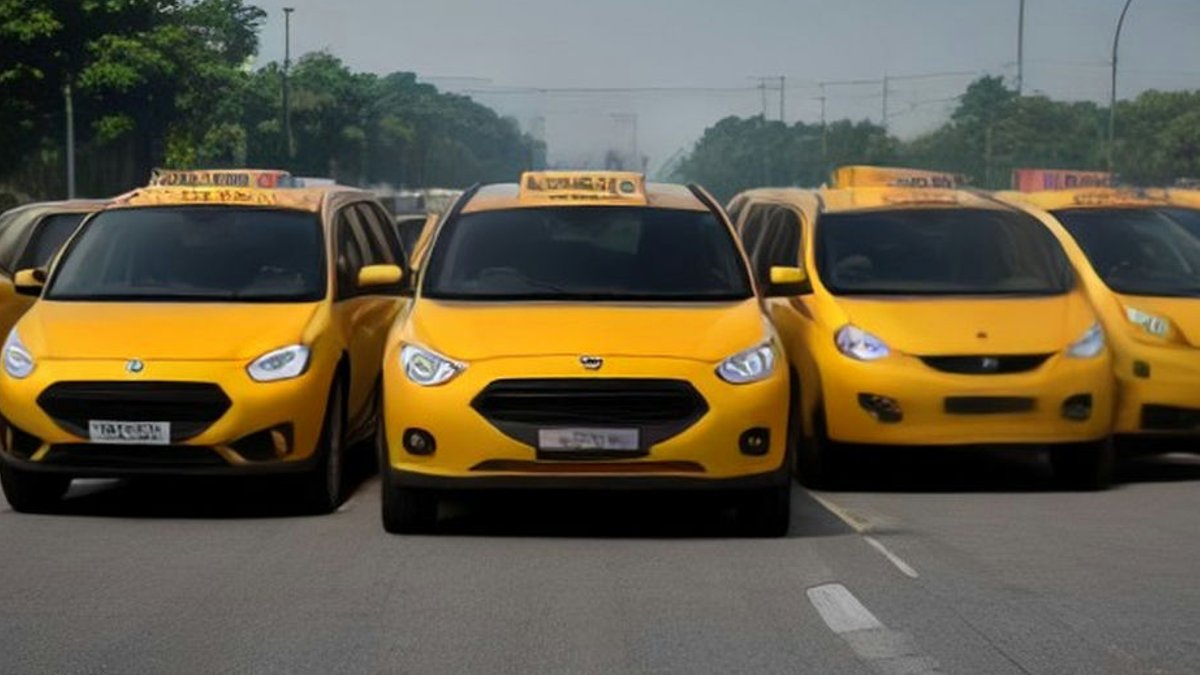
For years, India’s ride-hailing sector has grappled with issues of unreliability, cancellations, and varied customer experiences. Trevel, a Gurugram-based startup offering mass-premium, all-electric cabs, aims to address this by managing its own fleet. Since its founding in December 2025, Trevel plans to expand to 300 vehicles by March 2027, seeking a sustainable business model with high utilisation rates.
A direct challenge to aggregators
Trevel’s approach is a direct challenge to the aggregator model used by Uber, Ola and Rapido. Those platforms allow drivers to register their own vehicles, which makes it difficult for the company to control driver behaviour, vehicle quality or cleanliness. Trevel co-founder Sahil Jindal says the reliability gap is the biggest issue in the market. A survey cited by Jindal notes that the proportion of users experiencing cab cancellations rose from 72% in 2023 to 82% in 2025, often forcing customers to make multiple attempts before securing a ride.
The startup has already completed approximately 30,000 to 35,000 rides without cancelling a booking from its end. Jindal says Trevel charges by the kilometre rather than by time, so customers do not face the fare spikes that are common during heavy rainfall or traffic congestion. The company also does not levy rain-related surcharges. Trevel’s revenue increased nearly fourfold between April and September, while rides grew around sixfold.
Read Also: India and UK Clash Over Scotch Imports in Tariff Dispute
Since Trevel manages the vehicles and drivers directly, it has greater control over the service. The cars are equipped with AI-based cameras that monitor 28 parameters, including whether the driver is yawning, using a phone, smoking, wearing a seat belt or driving rashly. The system continuously records footage, which is retained for seven days before older data is overwritten. If the driver is talking on the phone, the camera detects it and sends an alert to the command centre, while rash driving triggers an audio warning.
Trevel’s drivers receive a fixed monthly payment along with performance-based incentives linked to five-star ratings, on-time trips and vehicle cleanliness. There are also small penalties, generally ranging from ₹100 to ₹200, for certain lapses. The company uses onboard cameras to determine fault in the event of an accident. The approach has helped Trevel achieve a repeat-booking rate of around 82%, up from approximately 60% in April.
Acquiring vehicles has been the biggest challenge for Trevel. While the company has onboarded several drivers from BluSmart’s former pool, finding enough cars has not been as easy as expected. Trevel currently has 60 cars, nine owned by the company and 51 leased. The startup aims to reach 300 cars by the end of March 2027 and is raising funds to support this expansion.
Read Also: Profit-Taking Pulls Indian Indices Down in Diwali Trading
Driving the future of mobility
Trevel operates on a mass-premium model rather than a mass-market one. It becomes profitable when a vehicle completes eight rides per day. The difference is higher during rain or traffic because the company does not add surge or time-based charges. This pricing strategy targets customers who value reliability and safety over the lowest possible fare.
The company targets around 1,000 cars in Delhi-NCR before expanding to other cities. The founders plan to operate in at least 15 to 20 cities over the next 10 to 15 years. They believe solving the mobility problem in one city is necessary before entering new markets.
Building a reliable network
Access to credit is difficult for startups without an established track record. Banks and leasing partners are often reluctant to extend loans to new companies. The company also uses slow charging over weekends to maintain battery health. It has identified the MG Windsor and Kia models as suitable vehicles for its operations.
Read Also: India’s stock rally on oil drop sparks caution
Trevel is experimenting with instant bookings in selected locations. The company initially required customers to book around an hour in advance. It realised that evening departures are less predictable than morning commutes. The new instant booking feature allows customers to receive a car in approximately five minutes. Trevel generates around 20 to 30 instant rides through this experiment. The technology is equipped to handle these requests efficiently.
Operational Changes and Service Details
Trevel also offers a live video feed of a journey on phones for extra safety. This feature is a paid service because streaming video uses data. The company maintains clean cars with charging cables, water bottles, and tissue boxes. Drivers undergo weekly training to meet service standards.


