


South Africa is handling a complex web of challenges to extract oil from South Sudan, as part of a deal initiated over seven years ago by former energy minister Jeff Radebe. The agreement, which initially appeared promising, has proven difficult to execute due to various obstacles.
The deal involves the construction of a 60,000 barrels-per-day oil refinery in Pagak, northeastern South Sudan. South Africa’s Strategic Fuel Fund (SFF) holds a 90% stake in the project, located in B2 Block, with the remaining 10% owned by South Sudan’s Nile Petroleum Corp.
Terrain and logistical challenges
To move the project forward, the South African National Petroleum Company (SANPC) is conducting an integrated terrain reconnaissance to mitigate risks associated with a 2D seismic survey in the Jonglei Sub-Basin, Block B2. The area presents a diverse and difficult environment, ranging from savanna grasslands to floodplains and swampy areas.
Read Also: Nearly Fifty Agencies Miss Parliamentary Reporting Deadline
According to tender documents, the project faces significant hurdles, including seasonal flooding, limited infrastructure, poor road networks, and heavy clay soils with low bearing capacity during the rainy season. The region’s Sudd wetlands and low terrain gradients further complicate matters, along with security risks and potential unexploded ordnance.
High stakes and potential rewards
Despite these challenges, the project holds considerable promise for South Africa. Jacky Mashapu, SANPC’s spokesperson, stated that the venture is in the exploration phase, with nearly $20 million already invested. The block is believed to have a high potential for success, subject to inherent exploration risks.
South Sudan is estimated to hold approximately 3.5 billion barrels of proven oil reserves, with nearly 90% remaining untapped. Oil revenues fund 80%-90% of the country’s national budget, making its economy heavily reliant on hydrocarbon performance and global price fluctuations.
The project’s success could be further bolstered by the development of a pipeline refinery in East Africa.
Read Also: Court Invalidates BBBEE Code Over Tau’s Procedural Error
Project’s Progress and Future Phases
According to SANPC’s spokesperson, Jacky Mashapu, the next step will be the appraisal phase, following successful exploration and drilling of wells. The results of these phases will determine if and when the project moves to the production phase.
Ongoing conflicts and diplomatic efforts
However, South Sudan’s oil industry faces critical structural, logistical, environmental, and governance challenges. The country’s landlocked position necessitates routing most of its crude oil through pipelines and ports in neighboring Sudan, which has been plagued by active fighting between the Sudanese Armed Forces and the Rapid Support Forces. This conflict has caused pipeline ruptures and damaged pump stations, repeatedly disrupting South Sudan’s oil output.
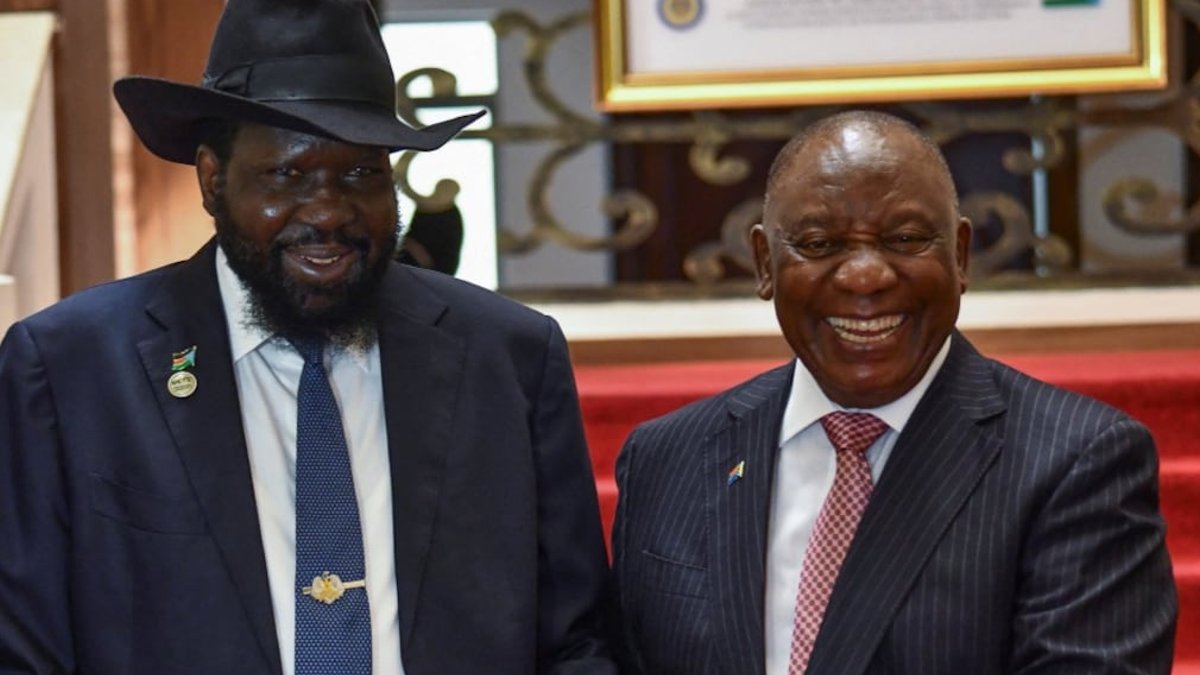
South Africa maintains a significant diplomatic, political, and technical role in supporting peace and stability in South Sudan, rooted in historical ties between the African National Congress (ANC) and the Sudan People’s Liberation Movement. This week, President Cyril Ramaphosa met with South Sudan’s President Salva Kiir Mayardit in Pretoria, emphasizing the importance of adhering to the Revitalised Agreement on the Resolution of the Conflict to advance the peace process.


