


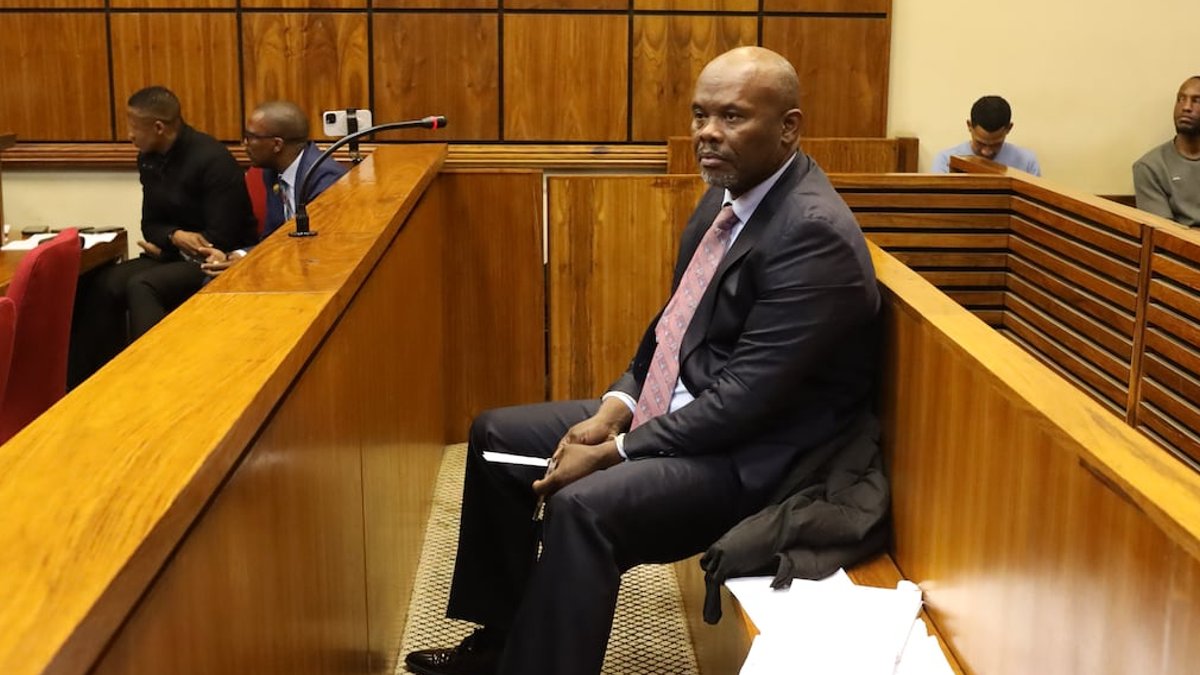
The South African Police Service (SAPS) has confirmed that Lt-Gen Shadrack Sibiya is no longer employed by the force. His departure comes amid an investigation into alleged criminality and corruption. The disciplinary hearing against Sibiya began on Monday, with his legal representative tendering his resignation immediately after proceedings commenced, leading to what SAPS described as a dishonourable discharge.
Sibiya’s resignation was tendered by his legal representative at the start of a disciplinary hearing, a move that effectively halted the proceedings. SAPS clarified that since he resigned during an ongoing disciplinary case, his departure is considered a dishonourable discharge. Lt-Gen Puleng Dimpane confirmed to reporters that the hearing would not continue, stating, “he is no longer our member.”
Leadership Vacuum
This development deepens a leadership crisis within SAPS. National commissioner Fannie Masemola remains suspended, despite the National Prosecuting Authority withdrawing charges against him for allegedly breaching the Public Finance Management Act. Lt-Gen Puleng Dimpane continues to act in Masemola’s place. Sibiya’s exit leaves two of SAPS’s most senior officers out of active command, exacerbating the force’s leadership instability.
Allegations and Investigations
The Madlanga commission, led by retired justice Mbuyiseli Madlanga and assisted by advocates Sesi Baloyi and Sandile Khumalo, recommended disciplinary action against Sibiya and other senior officers. The commission is investigating allegations of political interference and organized crime infiltration into South Africa‘s criminal justice system. Sibiya’s case is part of broader efforts to address systemic corruption within law enforcement.
Read Also: iFood’s Diversification Drives Naspers’ Global Tech Growth
Sibiya also faces a separate criminal case involving allegations of rape and sexual grooming. He was expected to appear in court again on Tuesday, following his resignation. The Madlanga commission’s recommendations for investigations into his conduct were detailed in its second interim report, which also implicated Sgt Fannie Nkosi, businessman Brown Mogotsi, and an individual identified as Witness G. The commission further sought an investigation into alleged unofficial crime intelligence operations involving Mogotsi and Witness G. The presidency announced in August that the commission’s final report is expected on November 16, with interim referrals allowing investigations to proceed before its completion.
A parliamentary subcommittee is also investigating similar charges on behalf of the National Assembly. Its report, still pending, will complement the Madlanga commission’s findings in addressing systemic issues within SAPS.
A Controversial Career
Sibiya’s departure marks the end of a nearly four-decade-long career in SAPS, marked by controversy. He began as a student constable at 20 and held various roles, including leading the Hawks and heading Johannesburg’s anticorruption unit, GFIS. His tenure was punctuated by allegations of misconduct, including his dismissal as head of the Hawks in Gauteng in 2015 over his alleged involvement in the unlawful rendition of Zimbabwean suspects in 2010. Sibiya challenged this dismissal, and the labour court ruled it procedurally and substantively unfair in 2020, ordering his reinstatement in 2022.
The current crisis stems from allegations made in July 2025 by KwaZulu-Natal police commissioner Nhlanhla Mkhwanazi. Mkhwanazi claimed that criminal syndicates had infiltrated law enforcement and interfered with investigations, implicating Sibiya and police minister Senzo Mchunu. Both have denied any wrongdoing. President Cyril Ramaphosa established the Madlanga commission in response to these allegations, placing Mchunu on leave and appointing Firoz Cachalia as acting police minister.


